Table Of Content
For that reason, they might stop being a problem as people age. If the cyst recurs or there are other complications, a more invasive surgery might be done. In the acute form, you may have an abscess in the natal cleft, the area at the top of the buttocks where they part.
International Patients
Friction and pressure from rubbed skin, tight clothing, cycling or long periods of sitting can force hair into the skin. • Abscesses should be treated with incision and drainage or surgical excision. Once you’ve had a pilonidal cyst surgically drained, there are several things you can do to reduce your risk of developing another one. Sometimes, a pilonidal cyst will reappear in the same area, even if you recently had one drained. When this happens, you may need a more extensive surgical procedure to remove the entire cyst, not just the internal contents. You can get a pilonidal cyst when a hair gets lodged inside your skin.
Acid Reflux Drugs May Heighten the Risk of Migraine Attacks and Severe Headaches

If a pilonidal cyst becomes infected, it can be very painful. Pilonidal cysts are treated with a simple in-office procedure. A doctor will start by numbing the area with an injection of a local anesthetic. Next, they’ll use a surgical knife to make a small incision to help drain the pus and debris from the cyst. A pilonidal cyst is a sac filled with hair, skin, and other debris.
Treatment / Management
A topical antiseptic can be prescribed and applied to the area at each dressing change. The surgery site will also need to be watched carefully for any signs of infection. In addition, being sedentary, having obesity, and prolonged sitting are other risk factors. It’s also thought that friction or pressure in the gluteal area and a traumatic tailbone injury could also make the condition more likely. A small cyst that causes no symptoms usually can be treated at home.
A complete cure is possible, but remember that a pilonidal cyst may come back even if you had one surgically removed. There’s a type of cyst you can get at the bottom of your tailbone, or coccyx. It’s called a pilonidal cyst, and it can become infected and filled with pus. A pilonidal (pie-low-NIE-dul) cyst is an unusual pocket in the skin that usually contains hair and skin debris. The cyst is almost always near the tailbone at the top of the buttocks.
Auricular pilonidal sinus; a rare case with a brief review of literature - ScienceDirect.com
Auricular pilonidal sinus; a rare case with a brief review of literature.
Posted: Thu, 12 May 2022 05:03:30 GMT [source]
Those with chronic disease, but without an abscess, can be treated with fibrin glue alone or in conjunction with surgical excision to prevent recurrence. Home treatments can relieve discomfort from a pilonidal cyst. But to get rid of it for good, you’ll need to see a doctor. To prevent cysts from forming again in the future, avoid prolonged sitting. Keep the area above your buttocks clean, dry, and free from hair.
If you are going under general anesthesia, it is typically recommended to not consume anything in the eight hours before the procedure. This procedure involves unroofing (splitting open) the cyst, curetting (scraping out) the base, and marsupialization (suturing the edges). This, too, is usually a temporary fix, and the pilonidal sinus cavity experiences recurrent infections. This article explains what a pilonidal cyst is, the benefits of surgery, expected outcomes, and ways to reduce the risk of recurrence. Doing so could further irritate the cyst, make the infection worse, or make the cyst bleed. You also aren’t likely to remove all the pus by squeezing, so it’s best to have your doctor clear the cyst for you.
It’s critical to follow your doctor’s presurgical instructions to minimize your risk of complications. Your doctor may tell you to stop taking certain medications or herbal supplements as well as to stop smoking. But it is expensive, takes several appointments to work, and won’t remove all the hair.
Newer procedures to treat pilonidal cysts
In some cases, skin flaps may need to be created in order to close the wound. There is a greater risk of recurring infection if the wound is closed after surgery. Pilonidal cysts are not uncommon, and they can also cause pretty significant pain and be a burden. They do need to be treated by a healthcare provider since they likely won’t go away on their own. With the more invasive treatments, you have a lower risk of the cyst returning, though. A healthcare provider may first drain the cyst in the office.
Understanding the causes and symptoms is crucial in determining whether they can resolve without medical intervention. • Pilonidal disease without abscess is best managed by frequent shaving or hair removal; adding local application of phenol can resolve disease and prevent recurrence. Carrying extra weight can also make you more prone to developing pilonidal cysts. Your doctor can give you a better idea of whether your weight may be playing a role in your cysts. The location of pilonidal cysts can make it hard to see what you’re doing.
The inflammation from a pilonidal cyst can be treated at home but the cyst will not go away. The tract that's formed and that's causing the problem won't heal up without help. There will be the potential for it to become infected again. The size of the incision and how much of the skin and tissue is removed will vary depending on the type of procedure. In some cases, if the surgery is more extensive, there could be a need for general anesthesia and being hospitalized. A pilonidal cyst is usually diagnosed by examining the area of the natal cleft for a cyst.
The physical examination for suspected pilonidal disease should involve an anal examination to rule out fistula. The causes of pilonidal sinus disease are not well understood but may have to do with ingrown hair or hair that finds its way under the skin, causing a cyst to form. Other factors may contribute to the problem, such as prolonged sitting, having obesity, and having coarse hair. Keep in mind, though, pilonidal cysts can become chronic when those that do not drain on their own are left untreated.
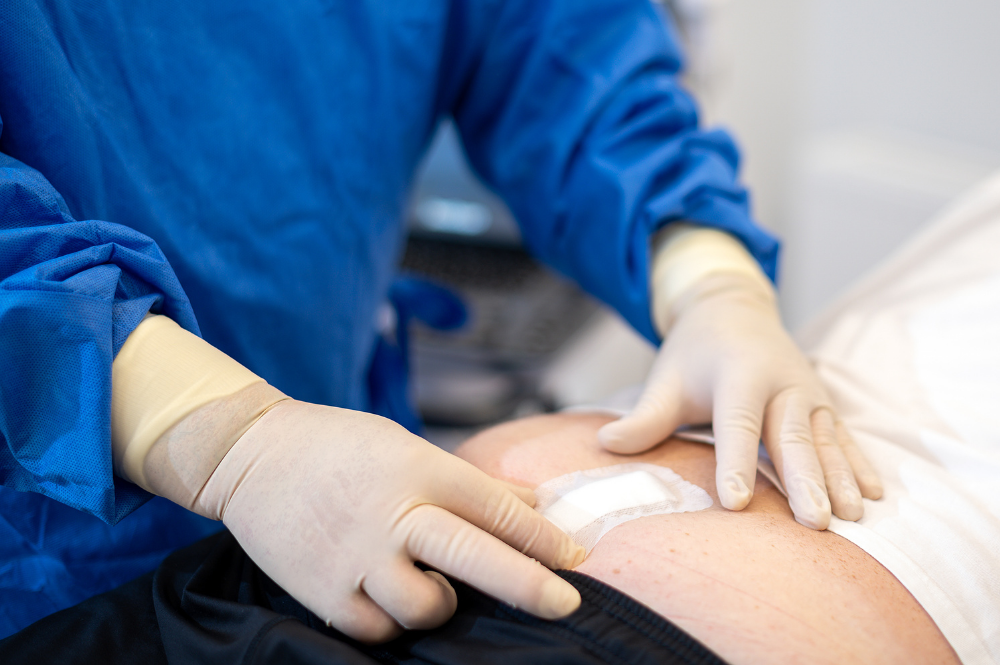
Treatment for a pilonidal cyst is usually first draining it or having surgery to remove it. However, there’s no agreement on which type of surgical procedure might be the most effective. Even with medical treatment, you may develop chronic pilonidal disease, which means your cysts keep coming back. Whenever you have surgery, it’s important to take good care of your wound so it doesn’t get infected. Your provider will tell you how to keep your wound clean (including shaving the area) and how long you should keep it covered. They’ll also tell you the warning signs of infection and when you should call your provider.


No comments:
Post a Comment