Table Of Content

These cysts are usually caused by a skin infection and they often have ingrown hairs inside. During World War II, pilonidal cysts were often called "Jeep driver's disease” because they’re more common in people who sit often. A pilonidal cyst can be extremely painful especially when sitting.
Causes and Risk Factors of Pilonidal Cyst
Teen left bedridden after infected ingrown hair 'burrowed into his spine' - New York Post
Teen left bedridden after infected ingrown hair 'burrowed into his spine'.
Posted: Thu, 10 Oct 2019 07:00:00 GMT [source]
The evidence that permanent hair removal might help lower the risk of a cyst returning is considered weak. It’s important to ask questions when getting treated for a pilonidal cyst. With shared decision-making, you should be told what options are available for treatment and the potential complications.

Questions for your doctor
Whether you need information on prevention, treatment, or diagnosis, the Cleveland Clinic gives a comprehensive overview of pilonidal cysts. You’ll find answers to common questions about this condition, as well as other helpful wellness information. Pilonidal disease is diagnosed clinically, through history and physical, and the treatment is surgical. If there is concern for other differential diagnoses, imaging modalities can be used. It can also represent other soft tissue infections like folliculitis, furuncles, or carbuncles.
Enhancing Healthcare Team Outcomes
Pilonidal cysts occur when a pilonidal sinus, a small hole or indentation in the skin, becomes infected. This typically happens when hair or other debris fills the sinus. Pilonidal cysts tend to occur on a person’s lower back, just above the cleft of the buttocks. The timeline for healing after pilonidal cyst surgery varies based on how the surgery was performed. If your wound was stitched closed, complete healing usually takes four weeks, while wounds left open to drain can take months to completely heal. Surgery is not usually the first treatment option your healthcare provider will recommend for a pilonidal cyst.
By Amber J. TrescaTresca is a freelance writer and speaker who covers digestive conditions, including IBD. There will be a need to care for the surgical location at home. It may help to have a partner assist or see if a home-care nurse is available.
Your healthcare provider will advise you on whether you need to make any alterations to your current medications. Certain drugs can interfere with medical procedures and should not be taken prior to any surgery. In particular, blood thinners may cause problems with blood clotting during surgery. Your healthcare provider will instruct you on whether you will need to stop eating and drinking before the procedure.
Complications
Although pilonidal cysts are much more common in men, pregnant women can get them too. If you’re experiencing pain in your buttocks, it could be a sign of a pilonidal cyst and not just a normal discomfort of pregnancy. It’s usually best in that case to contact your provider and get checked. The cause of most pilonidal cysts is loose hairs that puncture the skin.

Call the Midwife Season 10, Episode 4 GIF Recap Modern Midwives… - PBS
Call the Midwife Season 10, Episode 4 GIF Recap Modern Midwives….
Posted: Mon, 25 Oct 2021 07:00:00 GMT [source]
Follow these directions carefully to avoid an infection or recurrence. Pilonidal cysts also have a high risk of reoccurrence after treatment. Certain types of sports, such as swimming, running, soccer, hockey, and baseball, may also worsen pilonidal sinus disease. This may be due to these sports' movements, such as deep knee bends and repeated stopping and starting.
Diagnosis
You also run the risk of developing an infection or leaving a scar. You will need to clean 2 or more times per day until healed. You may need to clean the area for several weeks using a cotton gauze/pad. You may also need to shave around the surgical wound to prevent hairs from lying in the wound. A pilonidal (Pie-low-NIE-dul) cyst is an abnormal pocket or pit that may contain hair and skin debris.
Pilonidal cysts are small fluid-filled sacs or bumps that appear along the crease or top of your buttocks. If the cyst isn’t painful, you can try treating it yourself. However, if the pain worsens or appears to get infected, you should see your doctor. Your doctor can treat the pilonidal cyst or surgically remove it. It’s important to know the signs of pilonidal cysts since they can come back after treatment.
An infected pilonidal cyst can be painful and is referred to as an abscess. If you notice any symptoms of a pilonidal cyst, see your health care provider. Sometimes, these cysts become infected and a pocket of pus called an abscess forms. Incision and drainage is a common procedure for treating cysts and rarely causes serious complications. The most common problems are infections, recurrence of the cyst, and the development of an abscess.
Dealing with psoriasis isn’t always easy, but with treatment, you’ll be able to manage your symptoms and live your best life. While not life-threatening, a painful cyst can make it difficult to sit, stand, or walk for long periods, which can interfere with working or driving. Do not drive the first 24 hours after surgery and while you are taking narcotic medication. In general, you can drive once you feel comfortable sitting in the driver's seat and using the brake and gas pedal.
A pilonidal cyst is a cyst or abscess (boil) located near the intergluteal cleft, otherwise known as the groove between the buttocks. Treatment usually requires having a pilonidal cyst removed surgically. Your health care provider will show you how to change dressings and explain what to expect during the healing process. You'll also be told when to call your health care provider. You may need to shave around the surgical site to prevent hairs from entering the wound.
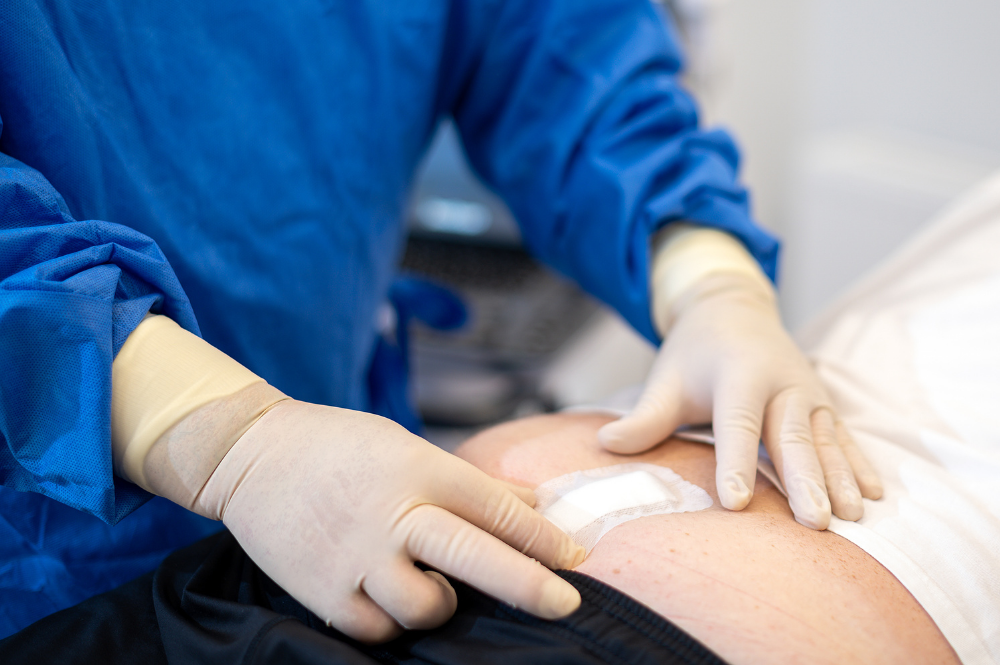
From there, you will be brought into the procedure room set up with a surgical table, medical equipment, and computers. You will lie face down on the table and the surgical team will prepare the skin on your lower back for surgery by shaving and disinfecting it. Surgery might include using antibiotics (oral or topical) to avoid infection. There also might be a dressing on the area that needs to be changed. In all cases, follow-up care will be needed to check on the healing.