Table of Content
People undergoing CPT therapy are helped to understand and change how they think about their trauma and its aftermath. The goal is to understand how certain thoughts about the trauma cause stress and make symptoms worse. VA research aims to improve Veterans’ quality of life by increasing the number and type of evidence-based treatments and identifying additional personalized approaches for treating PTSD. Current PTSD research includes studies of Veterans, their families, and couples. Relaxation techniques such as massage, meditation, or yoga can reduce stress, ease the symptoms of anxiety and depression, help you sleep better, and increase feelings of peace and well-being. When a veteran also experiences PTSD and other issues, whether it’s substance abuse or additional mental illnesses, they don’t always seek out the aid they need—nor is there enough aid to meet demand.
These can help your nervous system become “unstuck” and move on from the traumatic event. Our mission is to provide empowering, evidence-based mental health content you can use to help yourself and your loved ones. Among them, homeless veterans served in wars ranging from World War II to Vietnam to Afghanistan and Iraq, as well as in the military’s anti-drug efforts in South America, says the National Coalition for Homeless Veterans . PTSD can affect anyone who’s experienced atraumatic situation, even if they’re not in the military.
What Are the Symptoms of PTSD?
We don’t know why some soldiers develop PTSD and others don’t, but we do know that the incidence goes up with the number of tours and the amount of combat you experienced. This isn’t surprising, considering many symptoms of PTSD—like hypervigilance, hyperawareness, and adrenaline-quick reflexes—helped you survive when you were deployed. It’s only now that you’re back home that these responses are inappropriate. NCHV notes that the most effective programs are those that allow for transitional housing for the veteran that’s both structured and substance-free—the ideal solution for all veterans struggling to return to a normal life.

Post-deployment, veterans may rebuff questions from family members and loved ones about their combat experiences. Serving on the frontlines means a soldier may witness horrific events that can haunt them for years. The traumatic nature of combat is one reason it takes such bravery and sacrifice to serve in the military. However, traumatic combat experiences can negatively affect even the strongest men and women.
PTSD, TBI, and our Veterans
And byreally focusing on your body as you exercise, you can even help your nervous system become unstuck and move out of the immobilization stress response. Learning how to become “unstuck” won't happen overnight, but if you take it day by day, you’ll soon see progress. And as you learn how to deal with your combat stress, you’ll also be learning skills that will translate into success in the rest of your life—tools you can use for much more than overcoming PTSD. Being on guard all the time, jumpy, and emotionally reactive, as indicated by irritability, anger, reckless behavior, difficulty sleeping, trouble concentrating, and hypervigilance . If you know of a homeless veteran, you can contact your local VA Medical Center.

It helps identify and change the way Veterans think about their traumatic experience. Iraq and Afghanistan Veterans were at high risk of PTSD because of the multitude of combat stressors they faced during their time in the service. However, a high risk of PTSD has also been observed in Vietnam Veterans, Gulf War Veterans, and many other groups of military service members. Although avoiding anything that serves as a reminder of trauma is not an effective way to heal, avoidance is often the default behavior that people with PTSD fall into. The pain, stress, and anxiety caused by triggers can make someone with PTSD feel so overwhelmed that it can feel impossible for a sufferer of the disorder to engage with the world around them, let alone confront their trauma. Post-traumatic stress disorder symptoms can be divided into four categories – arousal, avoidance, reliving, and negative thoughts and feelings.
Avoidance Of Reminders Of Traumatic Events
Twenty-three percent of female veterans reported sexual assault while serving in the military. The best estimates for rates of PTSD in the general population indicate around 6-7% of Americans will experience PTSD as some point during their lifetime3. Military Veterans show higher rates; about 8-35% of Veterans will experience PTSD. Different sub-populations of Veterans are more likely to have higher rates, including those with higher combat exposure6.
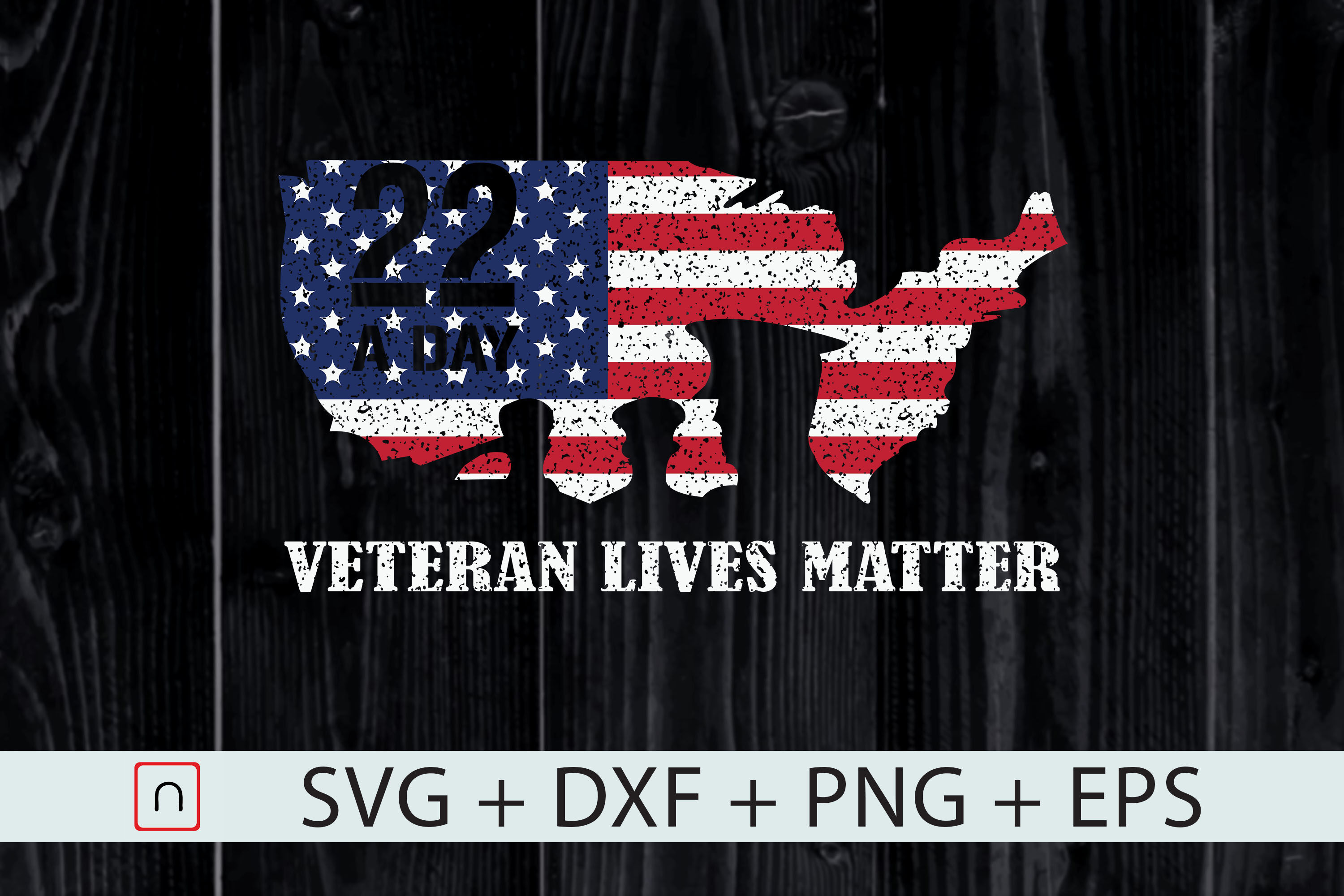
The $1.3 million VA-funded study will enroll 136 Veterans, from all service eras. Two-thirds of Veterans with current warzone-related PTSD discussed behavioral health or substance abuse concerns with providers. This involves gradually “exposing” yourself to thoughts and feelings that remind you of the event. Therapy also involves identifying distorted and irrational thoughts about the event—and replacing them with a more balanced picture. It’s normal to want to avoid remembering or re-experiencing what you went through in combat.
However, developing a dependency and addiction to alcohol can only make problems worse. Alcoholism can lead to its own health consequences, including liver problems, heart disease, and cognitive issues. It also increases your risk of other issues like legal problems, relationship issues, and financial instability.
Negative changes in your thoughts and mood, such as exaggerated negative beliefs about yourself or the world and persistent feelings of fear, guilt, or shame. She's also a licensed clinical social worker, psychotherapist, and international bestselling author. Her books, including "13 Things Mentally Strong People Don't Do," have been translated into more than 40 languages. Her TEDx talk, "The Secret of Becoming Mentally Strong," is one of the most viewed talks of all time. Additionally, homeless veterans are nearly entirely male; just 9% of homeless veterans are female. The VA estimates that approximately 11% of homeless people are veterans.
The model begins with in-depth interviews to explore individual Veterans’ interests and aspirations. Employment specialists spend time in the community, networking and developing job possibilities geared to Veterans’ experiences, interests, and backgrounds. The outreach and support are more intensive during the first few months after a Veteran is placed in a job, then tapers off as the Veteran gets stabilized in the work setting. VA's National PTSD Brain Bank is a brain tissue repository that supports research on the causes, progression, and treatment of PTSD. The brain bank is responsible for tissue acquisition and preparation, diagnostic assessment, and storage. Most of the brains stored in the bank are from people once diagnosed with PTSD.
Around 90 percent of them reported that they were shot at and many others recalled handling dead bodies and knowing fellow service members who were injured or killed. The technical storage or access that is used exclusively for anonymous statistical purposes. Without a subpoena, voluntary compliance on the part of your Internet Service Provider, or additional records from a third party, information stored or retrieved for this purpose alone cannot usually be used to identify you. The research team said that more research is needed to better understand the associations they observed between SKA2, cortical thickness, and PTSD severity. Nonetheless, they suggest that in the future it may be possible to use genetic blood tests to help assess the susceptibility of service members for combat-related PTSD.


No comments:
Post a Comment