Table of Content
Since each strategy captures different aspects of communication, they cannot replace each other. Based on this comparison of four different communication analyses, behavioral analysis provided the most sensitive measure and should be considered the state-of-the-science measure for person-centered communication. Person-centered communication is a critical part of person-centered care that is often overlooked and seldom included in training for CNA staff who provide the majority of direct resident care. This study demonstrated that a brief educational program can increase person-centered communication and reduce elderspeak, as confirmed by behavioral and psycholinguistic analysis. Future research should be expanded to include NHs with geographic, racial, and ethnic diversity and take into account the complexity in evaluating person-centered communication and educating staff in its use.
Of course, this type of care is not just limited to patients in acute care but rather includes residents in long-term care facilities as well. Health care providers who take this approach to care are able to optimize the patient experience by providing patients and family members with ample opportunity to assist in making medical choices. Under person-centered care, all clinical decisions are made with empathy and deep respect for patient values, preferences, and rights. Effects of the CHAT intervention were maintained 1-month post-intervention; however, by 3-months, most measures trended toward baseline. Future research should use communication analysis to further identify the duration of effect for CHAT and other communication training programs. Re-training and booster sessions may be needed to maintain intervention effects over time.
A process for care planning for resident choice
The traditional management hierarchy should be flattened, with frontline staff given the authority to make decisions regarding residents’ care. Staff should have the authority, and the necessary training, to respond on their own to residents’ needs. For instance, larger nursing units with 40 or more residents would be replaced with smaller "households" of 10 to 15 residents, residents would have access to refrigerators for snacks, and overhead public address systems would be eliminated. Training Plans in QSEP empower surveyors to take charge of their learning by providing clear, specific pathways to access, navigate and complete training that is provided in an organized, structured format. QSEP is an online platform that empowers learners to lead and manage their own learning in order to master the content.
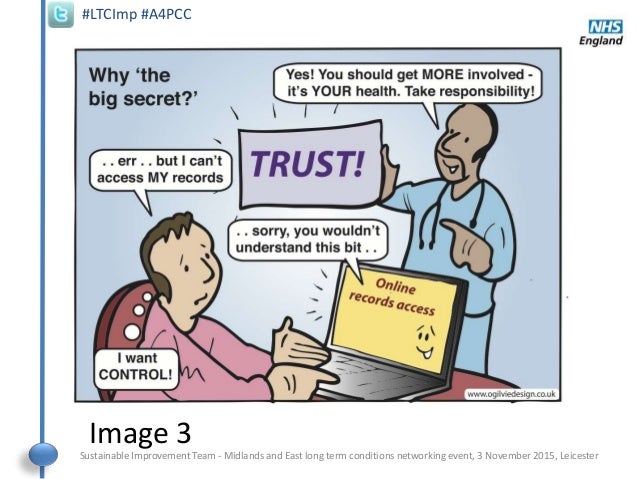
NHs should be encouraged to include communication as part of mandatory continuing education for staff of all levels. Awareness of the impact of communication on resident behavior and quality of life may increase communication self-awareness and motivate staff to communicate more effectively. In this study, computer-assisted behavioral analysis of elderspeak of videos was the most comprehensive approach and provided the highest level of detail, integrating components of each of the other approaches. It captures verbal and non-verbal features of communication and provides the full picture of communication strategies and interaction context. The use of video observation and computer-assisted analysis facilitate a more complex and precise analysis and allow to measure the duration of communication behaviors of interest. Sequential analysis is also possible to determine time relationships between two variables (Williams et al., 2009).
Additional Topics and Series
Is a digital care record system that aims to share secure information with healthcare providers throughout Bristol, North Somerset and South Gloucestershire. Dementia care workers report that individual attributes, organizational support, and the physical environment all contribute to successful communication with persons with dementia, in addition to communication strategies (Stanyon, Griffiths, Thomas, & Gordon, 2016). A 2014 systematic review found a number of person-centered care interventions, but few that were evidence-based (Fossey et al., 2014). Our analyses of recorded CNA-resident interactions provide evidence of the effectiveness of person-centered communication interventions. Based on operational definitions of topics developed in our prior research, we coded each staff sentence or utterance in the transcripts as task-oriented, person-centered, or superficial (Williams et al., 2011; Williams et al., 2005).
Prior research has determined that NH communication is imbalanced in underlying messages of care, respect, and control (Hummert, Shaner, Garstka, & Henry, 1998). Accordingly, the Emotional Tone Rating Scale was developed to evaluate differences in these affective qualities (Williams et al., 2012). Two factors, person-centeredness and control have emerged from scale use.
Welcome to the Quality, Safety & Education Portal (QSEP)
Emotional tone was evaluated by listening to audio recordings and rating them using the abbreviated Emotional Tone Rating Scale. The use of the scale with audio recordings has been established as reliable and valid in prior research (Sims et al., 2013; Williams, Herman & Bontempo, 2013). The Noldus Observer XT10 Video Pro software program was used to continually code each frame of video second-by-second using our established coding scheme (Williams et al., 2009).
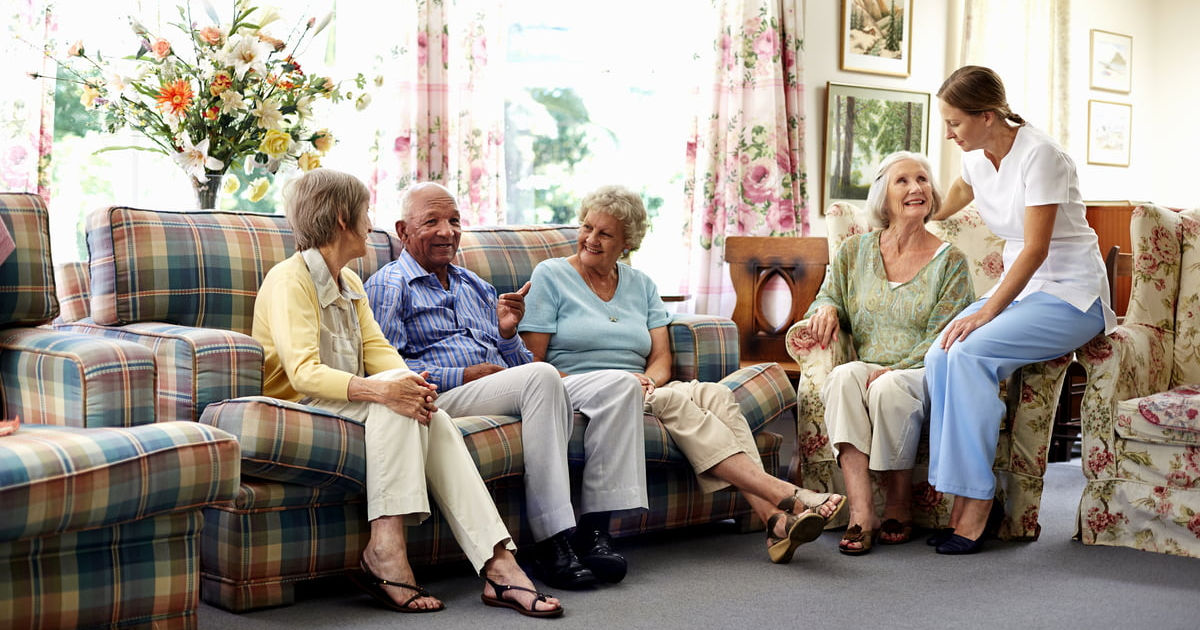
Thus, Person-Centred Care is shift from a model of care based on diagnoses and one side physician judgement to an approach based on a contractual agreement between a patient, their family and medical professionals. PCC involves the patient as an active partner in care and the decision-making process. Patients and health care professionals jointly develop a health plan based on the patient´s illness history which identifies personal resources and opportunities in the home and social network as well as potential barriers. Identified resources together with medical examinations and bio-markers form the foundation for elaborating the jointly agreed care plan . In Patient-Centred Care a patient is in the centre of the care process but is not an equal partner in their own care and treatment.
Present Study
Psycholinguistic analysis requires transcripts of communication and training of research assistants in transcription and utterance segmentation conventions and to identify elderspeak markers. Training required time, review, and computation of agreement between coders, discussion of disagreements, and continued monitoring and retraining. In this study, psycholinguistic analysis of diminutives and collective pronoun substitutions was used as an alternative measure of elderspeak. While inter-rater reliability can be accomplished, findings suggest that psycholinguistic analysis is less sensitive than behavioral analysis of elderspeak. Future studies can explore other verbal indicators of elderspeak or person-centered communication. This analysis used video recordings of the CNA caregiving process with residents on two days during morning care at baseline, post-intervention, and 3-month follow-up.
“A good administrator is going to engage their director of nursing and their medical director. For the Alzheimer’s Association’s full guide on culture change, click here. Many states are using civil monetary penalty funds, as well as legislative funding, Medicaid dollars, and grants to spearhead culture change activities. Culture change should be treated as an ongoing process of overall performance improvement, not just as a superficial change or provision of amenities. To foster strong bonds, the same nurse aides should always provide care to a resident. Residents should be offered choices and encouraged to make their own decision about personal issues like what to wear or when to go to bed.
They may have a disability or may have been uprooted from their homes and placed in a new environment alongside unfamiliar faces. It is, thus, imperative that nursing homes adopt person-centered practices to help residents feel at home and appreciated. For example, if someone has back pain and enjoys gardening, then they might be given tasks such as watering plants or making sure their garden gets weeded regularly. Better health outcomes – The AMA Journal of Ethics Research has concluded that practicing person centered care results in shorter recovery times, decreased emergency room visits, and reduced use of healthcare resources. Increased patient satisfaction – Person centered care acknowledges the patient’s values and desires, which makes them feel more valued.

In contrast, this care planning process has been developed to help give the person a voice in directing his or her own care. Rather than viewing a person as non-compliant if he or she does not agree with your recommendations, the authors suggest viewing the resident as a member of the care team, participating in the discussion options and potential risks and outcomes. This will demonstrate to residents, state surveyors, family members, and others that a care community has done due diligence with the resident and his or her representative. Erson-centered care is an approach to health care that puts the patient or resident first.


No comments:
Post a Comment